


Children
Why Bible Stories for Children Are So Meaningful
How timeless stories shape character and values
Bible stories for children are far more than simple narratives; they are a way to gently introduce young minds to foundational values. Through these stories, children learn about compassion, honesty, courage, and patience in ways they can understand. When a child hears about kindness overcoming hardship or forgiveness triumphing over anger, they begin to see how these virtues apply in their own little world. Stories shared early in life leave lasting impressions, planting seeds of empathy and moral reasoning that grow with them. This process of learning through meaningful examples is not only engaging but also deeply formative.
Connecting faith lessons to everyday life
One of the most powerful aspects of bible stories for children is how easily they can connect to everyday experiences. Whether it’s sharing toys with friends, caring for a sibling, or speaking up for what is right, these narratives provide a framework for understanding how faith and action go hand in hand. When parents or teachers explain that a certain lesson from a story relates to what happened on the playground or at school, children see that these are not distant ideas but truths they can live out daily. This bridge between timeless wisdom and ordinary moments gives stories a relevance that children can grasp immediately.
Building a foundation of love, kindness, and hope
Children naturally absorb the emotions and lessons embedded in the stories they hear. Bible stories for children are filled with hope, generosity, and love, helping them feel secure and inspired. As they listen, they are not only entertained but also comforted by the assurance that good can come from difficult circumstances. These early lessons plant seeds of kindness and hope that guide them as they grow. Over time, the memories of these stories become touchstones they can return to whenever they need encouragement or direction, shaping not just their behavior but their outlook on life.
Different Ways Children Can Experience Bible Stories
Interactive storytelling in family or community settings
Bringing bible stories for children to life can be as simple as sharing them during family time or in a group setting at a community gathering. Parents might use gestures, voices, or even small props to make a story memorable. In a community, a storyteller can ask children to imagine themselves in the scene, encouraging participation and excitement. These moments create bonds between adults and children while allowing young listeners to feel truly involved. When children interact with a story, they remember it more vividly and internalize the values within it more deeply.
Creative activities that bring stories to life
One of the most effective ways to make bible stories for children memorable is through hands‑on creativity. Children might draw a scene, act out a moment, or create a simple craft that represents the story’s theme.
- Painting or coloring scenes helps them express what they’ve learned.
- Simple role‑play games allow them to step into a character’s shoes.
- Building small models sparks imagination and discussion.
Through these activities, the lessons become something tangible, encouraging reflection long after the story ends.
Engaging conversations that encourage curiosity
After sharing a story, encouraging children to ask questions or describe their favorite parts helps them think critically and personally about what they heard. Asking open-ended questions like “How do you think that felt?” or “What would you have done?” invites them to connect emotionally and intellectually. This dialogue turns storytelling into a two-way exchange, where children feel safe exploring big ideas in a way that fits their understanding. Over time, these conversations nurture not only their faith but also their confidence in expressing themselves.
Incorporating Bible Stories Into Daily Routines
Sharing stories during mealtime or bedtime
Integrating bible stories for children into mealtime or bedtime routines can create cherished family traditions. A short story shared before sleep helps calm the day’s energy, providing comfort and a sense of closure. At the dinner table, a story can spark meaningful discussions about kindness or gratitude. These regular moments teach children that learning about faith and values is not limited to special occasions but woven into the fabric of daily life. Over time, these habits form a rhythm that nurtures both connection and reflection.
Using storytelling to guide decision-making moments
Bible stories often illustrate choices and consequences, making them helpful tools when children face challenges. If a child struggles with sharing or telling the truth, recalling a story where these actions made a difference offers gentle guidance. Instead of lectures, parents and caregivers can draw on these narratives to spark insight. This method shows children that the wisdom in these stories is practical and relevant. By associating moral decisions with familiar narratives, children build a framework for making thoughtful choices in the future.
Encouraging reflection and discussion after each story
Taking time after a story to reflect on its meaning reinforces the lesson. Ask questions like “What did you like most about this story?” or “How can we show kindness like that character did?” Reflection allows children to process not just the events, but the values behind them.
- It helps them connect lessons to their own actions.
- It strengthens their memory of the story’s key points.
- It encourages a sense of responsibility and thoughtfulness.
This habit of reflection deepens the impact of storytelling over time.
What is a children’s Bible and why is it important for young readers?
A children's Bible is a version of the Bible that is specifically designed to be accessible and engaging for young readers, making the Scriptures easier to understand and relate to.
A children’s Bible simplifies the stories and teachings of the Bible, using language and illustrations that resonate with kids. It provides an age-appropriate introduction to biblical stories, which helps children learn about faith, morals, and spirituality in a manner that suits their developmental stage. The goal is to present foundational Christian concepts in a way that is both engaging and educational, often through simplified language, colorful illustrations, and interactive elements like activities or prayers.
- Simplified language: Easy-to-understand stories and concepts for young minds
- Illustrations and design: Engaging visuals to capture children’s attention
- Age-appropriate: Tailored content for different age groups, from toddlers to pre-teens
How do kids Bibles differ from standard adult Bibles?
Kids Bibles are specifically crafted to be more visually engaging, less complex, and easier to understand than standard adult Bibles, focusing on simplicity and interaction.
Unlike standard adult Bibles, which are rich in theological language and often require deeper study, a kids Bible aims to make the content relatable and fun. They typically include simplified language, colorful illustrations, and shortened stories that highlight key themes such as love, kindness, and faith. The stories are often paraphrased, leaving out complex theological concepts to ensure that children can grasp the key messages. Additionally, many kids Bibles feature interactive elements like puzzles, prayers, or questions to encourage children to think about the lessons they’re learning.
- Simplified text: Straightforward, child-friendly language
- Illustrations: Bright visuals to accompany the text and make stories come to life
- Interactive features: Activities, questions, and prayers to engage young readers
What should parents look for when choosing a Bible for children?
When choosing a Bible for children, parents should consider the age-appropriateness, readability, and engagement level of the content to ensure it aligns with their child’s developmental stage.
A children’s Bible should match the child's reading abilities and interests. For younger children, a Bible with large illustrations and simple language works best, while older children may benefit from a more detailed narrative or even interactive questions that encourage reflection. It’s also important to choose a version that reflects the family’s faith tradition and offers a balanced view of the Bible’s stories. Some Bibles also include memory verses, prayers, or additional resources like a glossary for unfamiliar terms.
- Age-appropriate content: Choose a Bible that suits the child’s reading level
- Engagement: Look for Bibles with interactive elements or activities
- Faith tradition: Consider a Bible that reflects the family’s religious beliefs
Are children’s Bibles available in multiple languages for multicultural families?
Yes, children’s Bibles are available in multiple languages, making it easier for multicultural families to share biblical teachings in their preferred language.
For multicultural families, it’s essential to find a children’s Bible that accommodates multiple languages, allowing them to read and understand the Scripture in their native tongue. Many publishers offer Bibles in various translations, such as Spanish, Chinese, French, and more, ensuring accessibility to a diverse audience. This is particularly important for families who speak different languages at home or for those who want to expose their children to biblical teachings in more than one language. Some Bibles even feature dual-language formats to support language learning.
- Multiple languages: Bibles in languages like Spanish, Chinese, and more
- Dual-language format: Some Bibles offer side-by-side translations
- Accessibility: Ensures that families from various cultural backgrounds can understand the Bible
How can Cru Media Ministry help families find a suitable children’s Bible?
Cru Media Ministry offers a range of resources to help families find and choose the most suitable children’s Bible, providing access to materials that support spiritual education.
Through Cru Media Ministry, families can access a variety of children’s Bibles that are specifically tailored to meet the needs of young readers. Cru offers not only Bibles but also devotional materials, study guides, and spiritual resources that support children’s learning and growth in faith. Cru’s platform ensures that families have access to the right Bible translations and formats, helping them choose one that resonates with their child’s age, learning style, and spiritual needs. The Cru store provides convenient access to these materials, making it easier for parents to find the best resources for their children’s spiritual education.
- Wide selection: Cru offers a variety of children’s Bibles and resources
- Spiritual education: Additional materials like devotionals and study guides
- Convenient access: Easily shop for Bibles and resources online through Cru’s platform
Cru Media Ministry has both a physical bookstore and an online webstore, and is a one-stop trusted provider of Christian materials and resources in Singapore. We develop and publish Christian reading and multimedia materials to provide resources individuals for their spiritual needs, and services to churches to assist them in their evangelical mission to being people closer to Christ. Here at Cru Media Ministry, we have various resources to nourish your souls for your different seasons of life. Check out these great Christian resources and may they be a blessing to you and your loved ones.
Get the latest news and updates:


Children
-
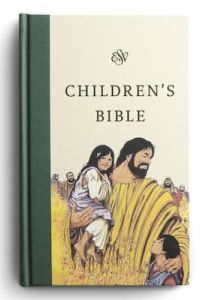
Children ESV Children's Bible Hardcover Let the Children ComeSpecial Price SGD 52.65 Regular Price SGD 58.50
-
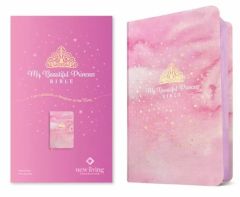
Children NLT My Beautiful Princess Bible LeatherLike-Pink SparklesSpecial Price SGD 44.91 Regular Price SGD 49.90
-
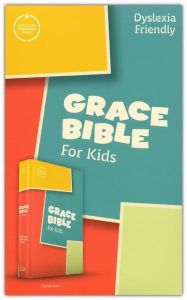
Children CSB Grace Bible for Kids-Hardcover Dyslexia FriendlySpecial Price SGD 43.88 Regular Price SGD 58.50
-
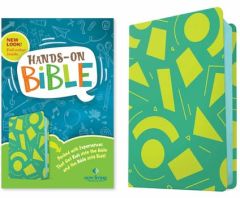
Children NLT Hands-On Bible for Kids LeatherLike-Green Lines and Shapes 3rd EditionSpecial Price SGD 62.55 Regular Price SGD 69.50
-
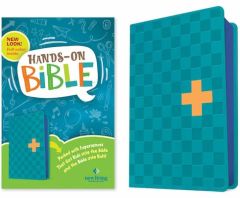
Children NLT Hands-On Bible for Kids LeatherLike-Blue Check Cross 3rd EditionSpecial Price SGD 62.91 Regular Price SGD 69.90
-
Children NIrV Question and Answer Bible for Kids LeatherSoft-PinkSpecial Price SGD 75.51 Regular Price SGD 83.90
-
Children NIrV Question and Answer Bible for Kids LeatherSoft-BlueSpecial Price SGD 75.51 Regular Price SGD 83.90
-
Children NIrV Question and Answer Bible for Kids - HardcoverSpecial Price SGD 52.65 Regular Price SGD 58.50
-
Children Kids' Bible Adventure Notebook: Easy-to-Follow Bible Studies for KidsSpecial Price SGD 15.21 Regular Price SGD 16.90
-
Children NIrV Tiny Theologians LeatherSoft Over Board-PinkSpecial Price SGD 68.31 Regular Price SGD 75.90
-
Children NIrV Tiny Theologians LeatherSoft Over Board-BlueSpecial Price SGD 68.31 Regular Price SGD 75.90
-
Children ESV Holy Bible for Kids: Dyslexia-Friendly Edition HardcoverSpecial Price SGD 60.21 Regular Price SGD 66.90
-
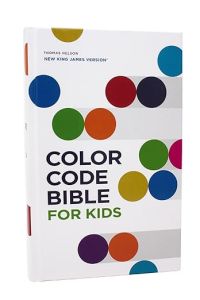
Children NKJV Color Code Bible for Kids Leathersoft-Blue Comfort PrintSpecial Price SGD 76.05 Regular Price SGD 84.50
-
Children NKJV Holy Bible for Kids LeatherSoft - BrownSpecial Price SGD 44.91 Regular Price SGD 49.90