
What Are Bible Commentaries and Why Are They Valuable for Study?
Bible commentaries are curated guides that illuminate Scripture by explaining historical background, literary structure, and theological meaning. They bridge the gap between the ancient world and today’s reader, helping you navigate difficult passages and see connections across the biblical narrative. A good commentary clarifies context: Who wrote the text, to whom, and why, then follows the flow of the passage to surface the author’s intent. For personal discipleship, commentaries can sharpen observation, correct assumptions, and deepen worship as you encounter God’s character in clearer focus. For ministry leaders and small-group facilitators, they provide a framework to lead discussions with confidence and care, ensuring that applications rest on sound interpretation rather than opinion. Whether you’re new to Bible study or building a long-term study plan, commentaries encourage slow, attentive reading and keep you anchored in the text, so insight becomes transformation rather than trivia.
The Purpose and Role of Commentaries in Biblical Understanding
- Clarify context: authorship, audience, date, and historical setting to ground interpretation.
- Trace argument and structure: outline sections, literary forms, and rhetorical moves within a passage.
- Explain key terms: word studies, idioms, and figures of speech that can be lost in translation.
- Compare interpretations: summarize responsible views and explain why a passage is read in particular ways.
- Connect canonically: show how themes echo across the Old and New Testaments.
- Support application: move from meaning to mature practice without skipping interpretive steps.
- Guard against error: keep study anchored in the text rather than trends or assumptions.
- Equip leaders: provide conversation prompts, background notes, and balanced explanations for group settings.
How Commentaries Bridge Ancient Texts and Modern Readers
Commentaries help modern readers step into the world of the Bible, where languages, customs, and assumptions differ from ours. By unpacking geography, politics, and cultural practices, they dissolve confusion and surface the author’s emphasis. Linguistic notes explain why a phrase matters; literary observations reveal how a narrative builds tension or how a poem layers metaphor. The better we understand an original audience’s challenges and hopes, the more carefully we can apply the text to today’s lives without flattening nuance. Commentaries also model wise interpretive method: observe, interpret, correlate, and apply. This method protects us from cherry-picking verses or forcing modern categories onto ancient writings. Over time, readers gain skill and confidence to ask better questions and recognize biblical patterns, covenant, kingdom, wisdom, exile and return, so daily reading becomes richer and more coherent. In short, commentaries train us to read with both humility and care.
Using Commentaries for Personal Growth and Spiritual Formation
- Build rhythm: schedule focused study sessions that pair the biblical text with a trusted commentary.
- Read prayerfully: begin by asking God for wisdom; end by identifying one response step.
- Compare genres: adjust expectations for narrative, poetry, prophecy, gospel, epistle, and apocalyptic.
- Journal insights: capture context, key ideas, and questions to revisit with mentors or groups.
- Practice synthesis: summarize a passage in your own words before consulting explanatory notes.
- Discuss in community: test interpretations with mature believers; invite accountability for application.
- Track themes: note recurring motifs (grace, justice, holiness) to see how Scripture interprets Scripture.
- Revisit often: return to challenging texts across seasons; growth deepens as life experience expands.
Exploring Different Types of Bible Commentaries
Different commentary types serve different study goals. Academic sets tend to be technical, interacting with original languages, ancient sources, and scholarly debates. Devotional commentaries emphasize clarity, accessibility, and application for daily life. Some resources focus on the Old Testament or New Testament, while others cover specific genres or themes. Methods vary: verse-by-verse works move sequentially through a passage; thematic and expository approaches draw out key ideas or trace arguments across larger units. Recognizing these distinctions helps you assemble a balanced study toolkit. For example, pairing a concise, readable overview with a deeper academic volume gives you both clarity and nuance. Similarly, when leading a small group, you might rely on a highly accessible resource for preparation and consult a more technical work to check interpretations. The point isn’t to collect commentaries but to match the right tool to your current question and context.
Academic vs. Devotional Commentaries
- Academic: technical language insights; extensive footnotes; engagement with historical-critical issues; helpful for preaching, teaching, and formal study.
- Devotional: concise explanations; clear takeaways; reflection prompts; ideal for daily reading and group discussions.
- Hybrid: blends readability with depth; offers manageable linguistic notes; provides thoughtful application.
- Choose by goal: sermon prep vs. personal devotion requires different levels of detail.
- Consider time: longer, technical volumes suit extended study; shorter formats fit busy schedules.
- Balance perspectives: consult more than one type to avoid blind spots and broaden understanding.
- Accessibility matters: even scholars benefit from clear summaries; even beginners benefit from careful depth.
Old Testament and New Testament Commentary Focus
Old Testament commentaries illuminate covenant history, wisdom literature, and the prophetic imagination: Contexts that reveal Jesus’ fulfillment more vividly. Understanding law codes, temple symbolism, and exilic themes stabilizes your reading of the whole Bible. New Testament commentaries, meanwhile, clarify how the Gospels present Jesus’ identity and mission, how Acts narrates the Spirit’s expansion of the church, and how epistles apply the gospel to communities. Apocalyptic literature (e.g., Revelation) requires special attention to genre and imagery; here, commentaries protect against speculation by grounding symbols in Scripture’s own patterns. When selecting, consider where you feel least confident. If prophetic or wisdom books feel opaque, prioritize those. If Pauline argumentation seems dense, choose resources that map the logic step by step. Over time, alternating between Old and New Testament study yields a more balanced grasp of Scripture’s unity and diversity.
Study Approaches — Verse-by-Verse, Thematic, and Expository Styles
- Verse-by-verse: sequential explanation clarifies flow, grammar, and local context; ideal when every detail matters.
- Thematic: traces motifs (kingdom, justice, holiness) across passages; helpful for seeing big-picture coherence.
- Expository: centers on the author’s main point in a section; organizes study around argument and emphasis.
- Choose by passage: narratives benefit from expository overviews; dense doctrine rewards verse-level detail.
- Mix methods: start with expository to find the main idea, then use verse-by-verse for precision, thematic for connections.
- Group dynamics: thematic studies foster discussion; verse-by-verse builds careful listening to the text.
- Outcome focus: aim for clarity about meaning, then craft wise, humble application steps.
How to Choose the Best Bible Commentary for Your Study Journey
Selecting “the best” commentary depends on your current needs, background, and context. Begin with your purpose: devotional refreshment, teaching preparation, or extended academic study. Then consider readability: Do you prefer concise clarity or detailed analysis? Reflect on doctrinal alignment and tradition; while commentaries should challenge assumptions, they should also handle essential doctrines with faithfulness and care. Evaluate organization, use of original languages, and how well the resource connects meaning to application. Finally, think long-term: a balanced “toolkit” often includes a readable survey, a careful exegetical aid, and a genre-specific guide. As your confidence grows, revisit challenging books armed with better questions and a stronger grasp of biblical themes. The “best” commentary is one that helps you see the text more clearly, love God more deeply, and live more faithfully; today and over a lifetime of study.
Understanding Your Study Goals and Faith Background
- Clarify purpose: devotion, teaching, counseling, academic research, or leadership formation.
- Assess familiarity: beginner, growing student, or seasoned leader will need different depth.
- Consider tradition: choose resources that engage your theological heritage while listening to others.
- Match medium: print for deep focus; digital for searchability and note-taking; audio for on-the-go review.
- Time realities: select works you will actually read; sustainable habits beat ambitious intentions.
- Community context: align with your group’s maturity and appetite for detail.
- Growth plan: add variety over time, genre guides, language helps, and theological overviews.
Evaluating Readability, Depth, and Doctrinal Alignment
A wise selection balances clarity with credibility. Readability matters, because comprehension drives retention and application. At the same time, responsible depth guards against simplistic conclusions. Scan introductions and sample pages to gauge voice and structure: are outlines clear, key terms defined, and arguments traced logically? Consider whether the resource interacts fairly with differing viewpoints, cites Scripture extensively, and avoids speculation. Doctrinal alignment doesn’t require echo chambers, but it does require core faithfulness; particularly regarding the nature of God, the gospel, and the authority of Scripture. Pay attention to how application flows from meaning; strong commentaries resist moralizing and instead show how grace reshapes motives and practices. Finally, test usability: indices, charts, and summaries save time and serve teaching. When these elements align, you’ll read more, understand more, and share more fruitfully.
Balancing Scholarly Insight with Spiritual Application
- Start with Scripture: read the passage twice before opening any notes.
- Seek the main idea: identify the author’s purpose and audience need.
- Use commentary as servant: confirm observations, not as a shortcut to conclusions.
- Ask heart questions: what does this reveal about God, humanity, redemption, response?
- Translate to practice: specify one mindset shift and one concrete action.
- Teach with humility: present alternate readings fairly and explain your reasoning.
- Pray it in: end study by asking God to form the truth in life and community.
Discover Trusted Bible Commentaries with Cru Media Ministry Singapore
In Singapore and across the region, Cru Media Ministry supports churches, leaders, and learners with thoughtfully curated study resources. Their aim is to help believers grow in biblical literacy and love for Christ by offering tools that are faithful, accessible, and practical. Whether you’re establishing foundational habits or deepening long-standing disciplines, curated commentaries can anchor your study in context and clarity. Cru emphasizes materials that promote careful interpretation, humble application, and community discipleship, recognizing that transformation flourishes when truth is both understood and lived. If you’re serving a small group, preparing a talk, or planning a reading journey through the Old and New Testaments, explore options that match your goals and timeframe. With guidance and a balanced toolkit, you’ll read more attentively, lead more confidently, and help others encounter Scripture’s depth.
Helping Believers Deepen Faith Through Thoughtful Study Resources
- Curated selection: resources chosen for clarity, faithfulness, and usability.
- Pathways for growth: options for beginners, serious students, and ministry leaders.
- Community focus: tools that serve small groups, mentoring, and teaching settings.
- Balanced approach: pair readability with responsible depth for sustainable study.
- Practical helps: outlines, charts, and prompts that streamline preparation.
- Regional support: considerations for Singapore’s diverse church landscape.
- Next step: explore offerings via Cru Media Ministry Singapore to plan your study path.
Supporting Lifelong Learning for Bible Students and Ministry Leaders
Lifelong learning in Scripture involves rhythms, relationships, and reliable tools. Cru Media Ministry encourages a steady cadence: read the text, consult notes, summarize insights, and share with others. Leaders benefit from resources that model careful method and pastoral warmth, helping them guide communities with both conviction and compassion. Over time, a well-chosen commentary set becomes a companion, shaping how you ask questions, trace themes, and apply the gospel to contemporary challenges. In training environments, clear outlines and balanced discussions equip apprentices to handle the word responsibly. For cross-cultural ministry in Singapore’s context, accessible explanation and sensitive application are especially valuable. The result is a culture of study that feeds worship, fuels mission, and forms Christlike character; far beyond a single series or semester.
How to Explore Commentaries and Study Guides Through Cru Media Ministry
- Define your goal: devotional rhythm, group facilitation, or teaching preparation.
- Choose your mix: readable survey + deeper exegetical aid + genre guide.
- Plan your journey: alternate Old and New Testament to maintain balance.
- Set a schedule: steady, manageable sessions beat occasional marathons.
- Engage community: read with a friend or group; share insights and questions.
- Review and refine: adjust tools as your confidence and needs evolve.
- Start here: explore curated options with Cru Media Ministry Singapore to build a sustainable, fruitful study plan.
FAQs: Understanding and Choosing Bible Commentaries
What is a Bible commentary and how is it used?
A Bible commentary is a guide that explains the meaning of Scripture by providing historical context, literary analysis, theological reflection, and practical application. It’s used alongside the biblical text to clarify difficult passages, trace arguments, and reveal how the original audience would have heard the message. To use one well, read the passage first, note observations and questions, then consult the commentary to confirm or correct your understanding. Look for how the author establishes context, defines key terms, and connects the section to its larger book and to the whole canon. Summarize the main idea in your own words and identify one response; belief to embrace, sin to confess, action to take. Over time, this rhythm deepens comprehension and guards against importing modern assumptions into the text.
What makes a good or reliable Bible commentary?
- Text-driven: stays close to Scripture, explaining meaning before application.
- Context-rich: clarifies history, culture, genre, and literary structure.
- Theologically sound: handles core doctrines faithfully and fairly.
- Balanced: presents major interpretive options without caricature.
- Clear: uses accessible language, outlines, and summaries for ease of use.
- Practical: connects meaning to wise application without moralizing.
- Transparent: cites sources and acknowledges limits where questions remain.
A strong commentary equips you to handle the Word with humility and care, fostering learning that transforms character and community.
How can I choose the best Bible commentary for my level of study?
Begin with your purpose and time horizon. If you’re starting out, select a readable overview that orients you to authorship, structure, and the passage’s main ideas. As confidence grows, add a more detailed resource that engages language and background more deeply. Consider your tradition and church context so applications land wisely. Scan sample pages to gauge clarity, organization, and tone; check whether the author outlines sections, defines terms, and explains interpretive choices. If you lead groups, prioritize tools with discussion prompts and clear summaries. A balanced “stack” often includes: (1) an accessible survey, (2) a deeper exegetical guide, and (3) a genre-specific resource for poetry, wisdom, or apocalyptic texts.
Why should Christians use commentaries in personal or group study?
Commentaries help you read Scripture carefully and confidently. They slow you down to observe the text, disentangle cultural distance, and avoid proof-texting. In personal study, this cultivates deeper worship as God’s character and purposes come into sharper focus. In groups, commentaries provide a shared framework so discussion stays rooted in the passage rather than preferences. Practically, they: (1) clarify context, (2) map structure, (3) explain hard sayings, (4) surface responsible options, and (5) guide application grounded in grace. Used wisely, they don’t replace Scripture but serve it, training you to handle the Word with both conviction and gentleness.
Where can I find trusted Bible commentaries in Singapore?
For a thoughtfully curated selection that supports beginners through ministry leaders, explore Cru Media Ministry Singapore. Their focus is on resources that combine clarity, theological faithfulness, and practical usability for personal devotions, small groups, and teaching preparation. You’ll find tools that help you build a sustainable study rhythm, balance readability with responsible depth, and engage Scripture within Singapore’s diverse church context. Start by clarifying your goals, then choose a mix of accessible overviews and deeper guides to match your next study journey. As you grow, revisit challenging books with stronger tools and better questions; Cru’s curation can help you take each step with confidence.
Cru Media Ministry has both a physical bookstore and an online webstore, and is a one-stop trusted provider of Christian materials and resources in Singapore. We develop and publish Christian reading and multimedia materials to provide resources individuals for their spiritual needs, and services to churches to assist them in their evangelical mission to being people closer to Christ. Here at Cru Media Ministry, we have various resources to nourish your souls for your different seasons of life. Check out these great Christian resources and may they be a blessing to you and your loved ones.
Get the latest news and updates:
Commentaries
-
Commentaries NIV Application Commentary OT-Haggai, ZechariahSpecial Price SGD 72.40 Regular Price SGD 90.50
-
Commentaries Haggai Zechariah Malachi (Tyndale New Testament Commentaries)Special Price SGD 35.12 Regular Price SGD 43.90
-
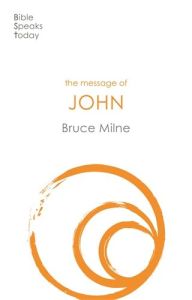
Commentaries Bible Speaks Today: The Message of JohnSpecial Price SGD 22.32 Regular Price SGD 27.90
-
Commentaries The NIV Application Commentary: MatthewSpecial Price SGD 107.12 Regular Price SGD 133.90
-
Commentaries Life Application Bible (LAB) Commentary-MatthewSpecial Price SGD 34.80 Regular Price SGD 43.50
-
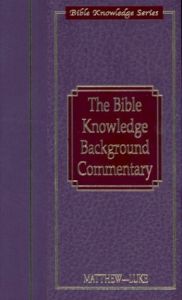
Commentaries The Bible Knowledge Background Commentary : Matthew-LukeSpecial Price SGD 54.80 Regular Price SGD 68.50
-
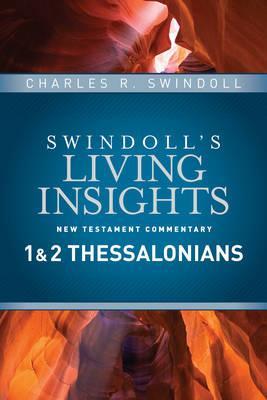
Commentaries Living Insights New Testament Commentary - 1 & 2 ThessaloniansSpecial Price SGD 26.80 Regular Price SGD 33.50
-
Commentaries Living Insights New Testament Commentary#12 - HebrewsSpecial Price SGD 34.80 Regular Price SGD 43.50
-
Commentaries Living Insights New Testament Commentary - ActsSpecial Price SGD 39.60 Regular Price SGD 49.50
-
Commentaries Genesis 11-50: New American Commentary [NAC]Special Price SGD 42.32 Regular Price SGD 52.90
-
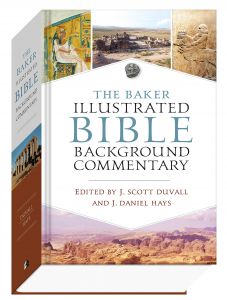
Commentaries Baker Illustrated Bible Background CommentarySpecial Price SGD 76.72 Regular Price SGD 95.90
-
Commentaries Reformed Systematic Theology: Vol 2, Man & ChristSpecial Price SGD 86.00 Regular Price SGD 107.50
-
Commentaries NIV Application Commentary NT-2 Peter, JudeSpecial Price SGD 42.00 Regular Price SGD 52.50
-
Commentaries Living Insights New Test. #16-Matthew 16-28Special Price SGD 34.80 Regular Price SGD 43.50
-
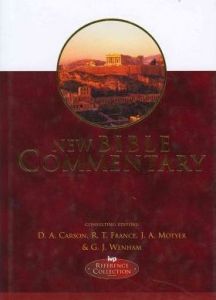
Commentaries New Bible Commentary-21st Century Edn.-HCSpecial Price SGD 86.80 Regular Price SGD 108.50
-
Commentaries Wiersbe Bible Commentary - 2 Vol. Set (w/CD ROM)Special Price SGD 135.92 Regular Price SGD 169.90
-
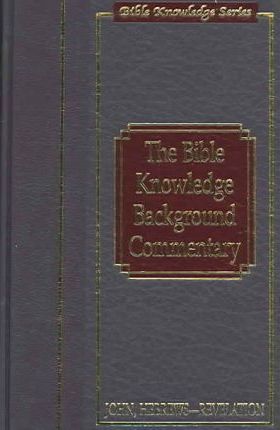
Commentaries The Bible Knowledge Background CommentarySpecial Price SGD 61.52 Regular Price SGD 76.90


![Genesis 11-50: New American Commentary [NAC]](https://mm.cru.org.sg/media/catalog/product/cache/7976b8d9a217c37174b17ab5a56fd691/cart66/9780805401417.jpg)